
 A hurricane is a massive storm. If you’ve never experienced one, it’s hard to imagine the sheer force of the winds. In a hurricane, winds gust at speeds of 75 mph and higher. When the wind is blowing at those speeds, it can be difficult to even stand without losing your balance!
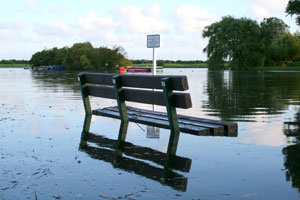
One of the most damaging elements of a hurricane is the storm surge. This occurs when the storm builds strength and pushes huge amounts of water against the coastline. The result is often an alluvion (see definition below) that can wreak havoc by destroying people’s property, including their homes and cars. Flood and wind damage can total billions of dollars. The destruction can also result in fatalities.
Here’s an interesting fact: Hurricanes used to be designated by their latitude-longitude, but then authorities decided that it was simpler for the public to remember these storms by giving them names. For Atlantic hurricanes, both female and male names—such as Sandy, Katrina and Andrew—are recycled every six years.
To see the names that are used for hurricanes, visit the National Weather Service’s website, www.nhc.noaa.gov/aboutnames.shtml
Speak your mind: What do you think would be the best way to prepare for an alluvion or any other weather-related emergency?
ALLUVION: Flood, overflow or the wash of water against a shore.

 We're looking for the coolest of the cool words! Nominate and vote on words. See which ones your friends like best.
 >> Winners Circle
 Got something important to say? Send us your essays. Your work may be chosen as a guest blog for this website.
  Vote for your favorite word and see which words your friends think are cool!